

Two years of scrutiny. One Finals loss. Unanswered questions about big moments. Then the answer.
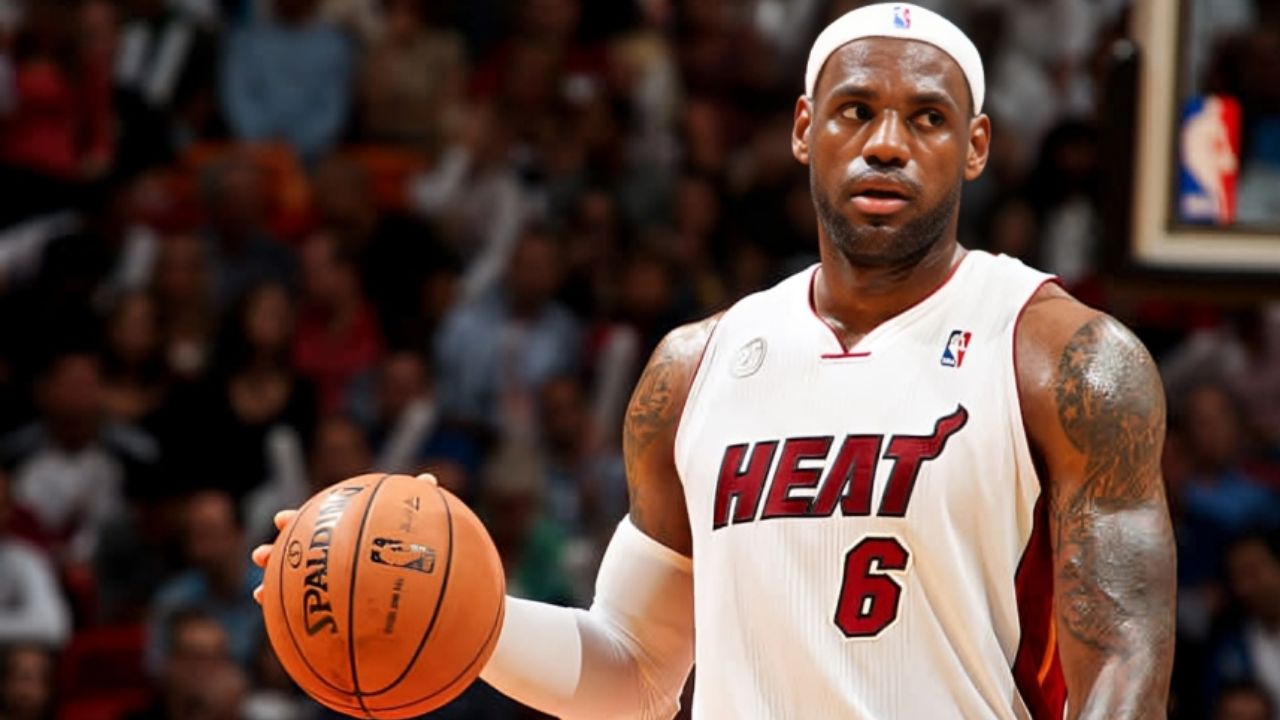
LeBron James won his first NBA championship on June 21, 2012, as Miami Heat defeated Oklahoma City Thunder 4-1 to claim the title. LeBron’s Finals MVP performance — 26.9 points, 10.2 rebounds, and 7.4 assists per game — delivered both the trophy and the rebuttal to the criticism that had accumulated since his departure from Cleveland.
The 2011 Finals loss to Dallas had generated sustained and pointed questioning of LeBron’s ability to perform in the defining moments of a championship series. His disappearance in key fourth quarters during that Dallas series was documented and re-documented throughout the following year. The 2012 edition against OKC — featuring a performance in Game 6 of the Eastern Conference Finals against Boston that many considered the best individual playoff performance since Michael Jordan — provided the comprehensive answer.
Miami’s back-to-back titles in 2012 and 2013 established the Heat era as one of the NBA’s genuine dynasty periods: three consecutive Finals appearances, two titles, and a standard of regular-season performance that the Eastern Conference rarely challenged competitively. LeBron, Wade, and Bosh as a combination produced results that validated the construction of the team.
For LeBron personally, 2012 was the year the argument about his greatness shifted from “will he ever?” to “how many will he win?” The competitive urgency that defined every subsequent season was built on the foundation of the first ring.